Rubber-Metal-Buffers
Rubber-metal buffers, also known as silent blocks, are elastic connecting elements
designed to dampen oscillations, vibrations and impacts. They combine the stability of
metal with the elastic properties of rubber, thereby creating a robust yet damping connection.
Their design helps to reduce unwanted oscillations and relieve stress on adjacent components.
This helps reduce noise and mechanical stress, contributing to quieter and more reliable machine operation. A variety of designs, dimensions, and Shore hardnesses allow for a customized configuration tailored to meet various mechanical requirements.
The result: reduced vibration transmission, smoother operation, and a reliable connection.
Main applications:
The operating range are in shock absorption, noise reduction in aggregates, machines, engines, compressors, pumps, and vehicles, and for the use of end-stop buffers.
Standard Materials are:
Elastomer: NR 45 Shore A (soft)
Elastomer: NR 55 Shore A (medium)
Elastomer: NR 70 Shore A (hard)
Metal Parts: Galvanized steel
Other materials available upon request
What are the advantages of rubber-metal buffers?
- Effective vibration damping: Reduces the transmission of vibrations and promotes smoother machine operation.
- Easy installation: The straightforward design allows for quick and easy integration into existing systems.
- High elasticity and load-bearing capacity: The combination of elastomer and metal combines flexible damping properties with a stable and robust design.
- Wide Range of Designs: Rubber-metal buffers are available in various shapes and sizes, allowing them to be adapted to different installation situations.
- Suitable for compressive and shear loads: Depending on the design, the buffers can be specifically used for compressive or shear loads. They are not suitable for tensile loads.
- Versatile applications: Different designs allow for use in various load and installation situations.
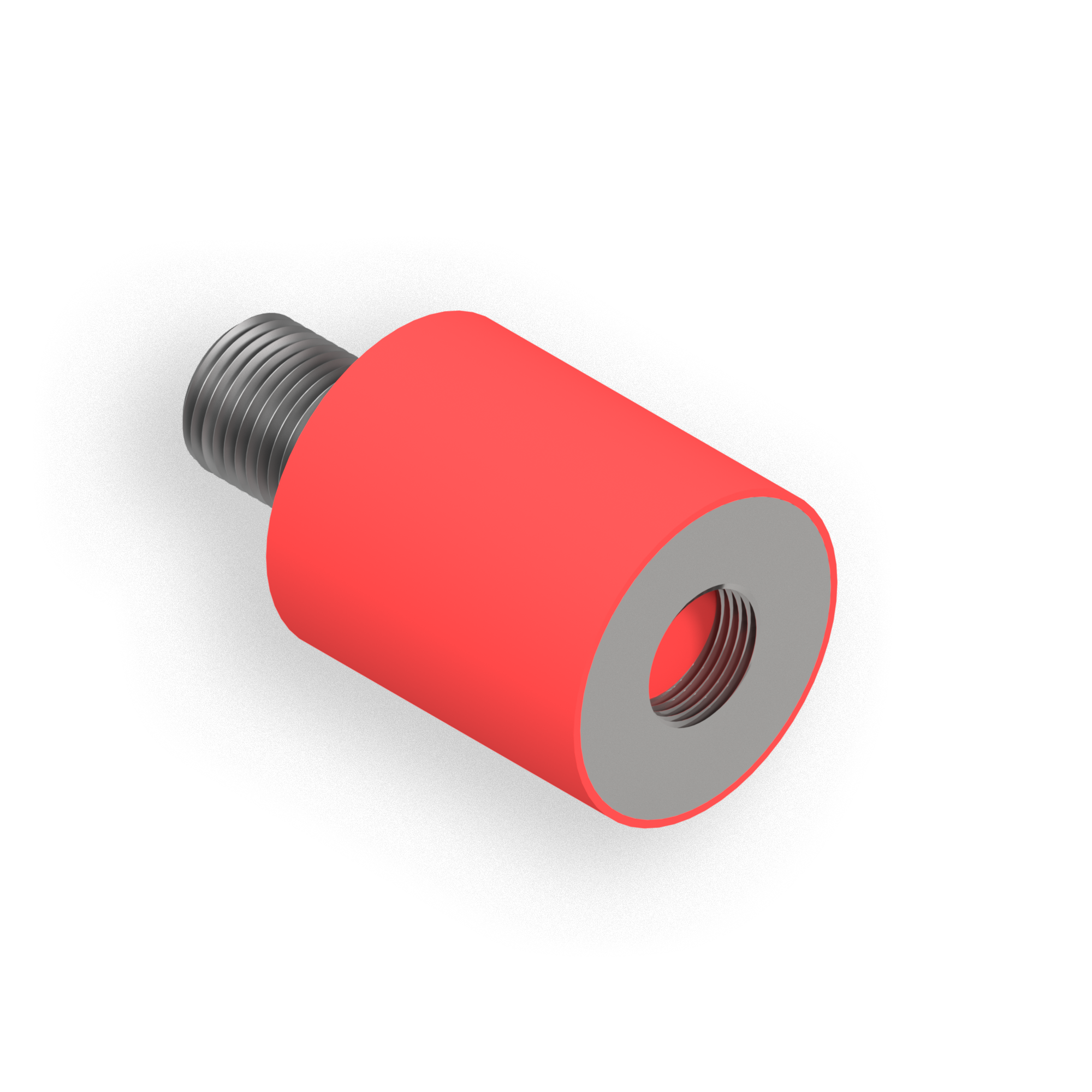
Type A
Rubber-metal buffers, also known as silent blocks, are used as vibration dampers due to their elastic properties. Components are elastically bonded, absorb impacts, transmission of structure-borne noise is reduced, and they protect against damage.
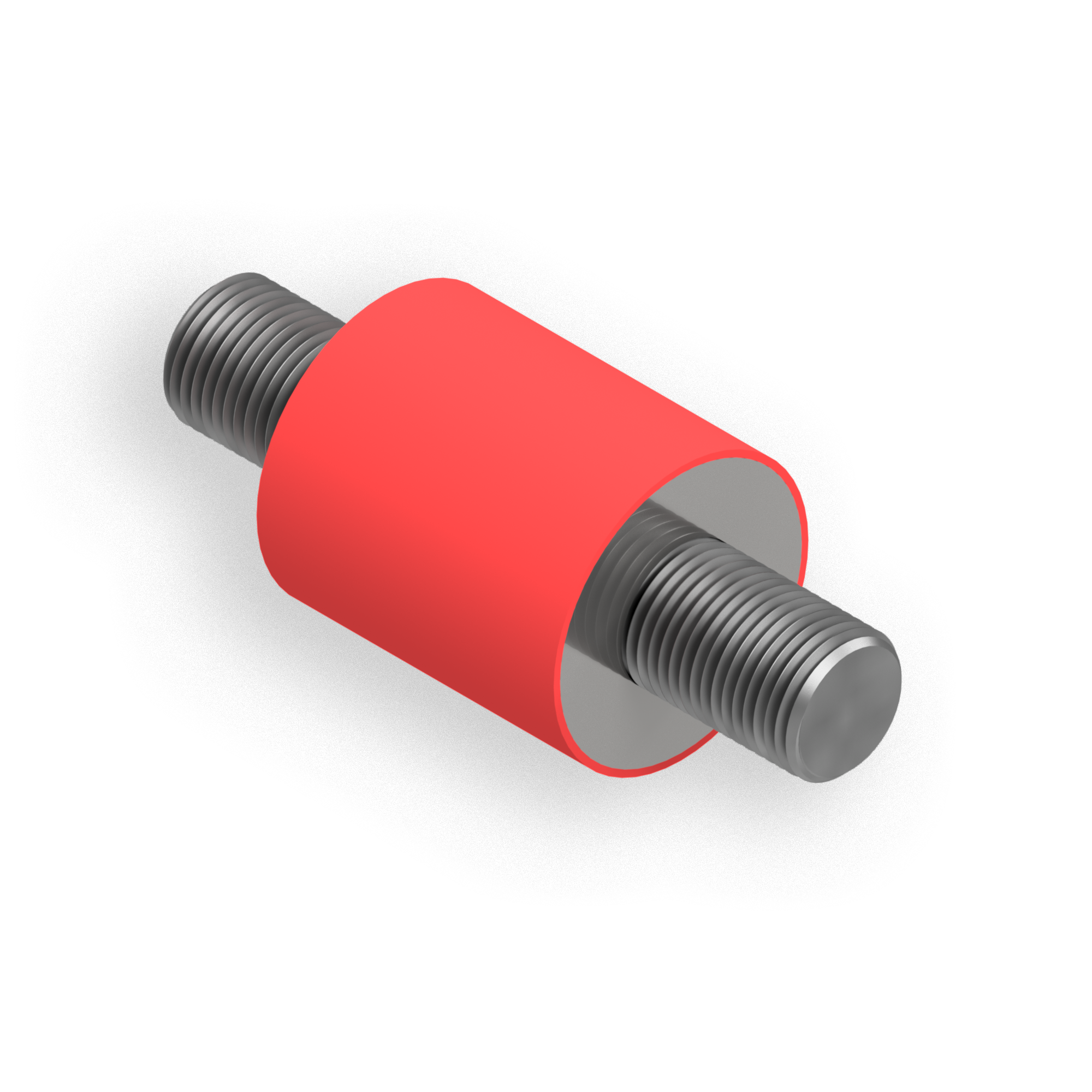
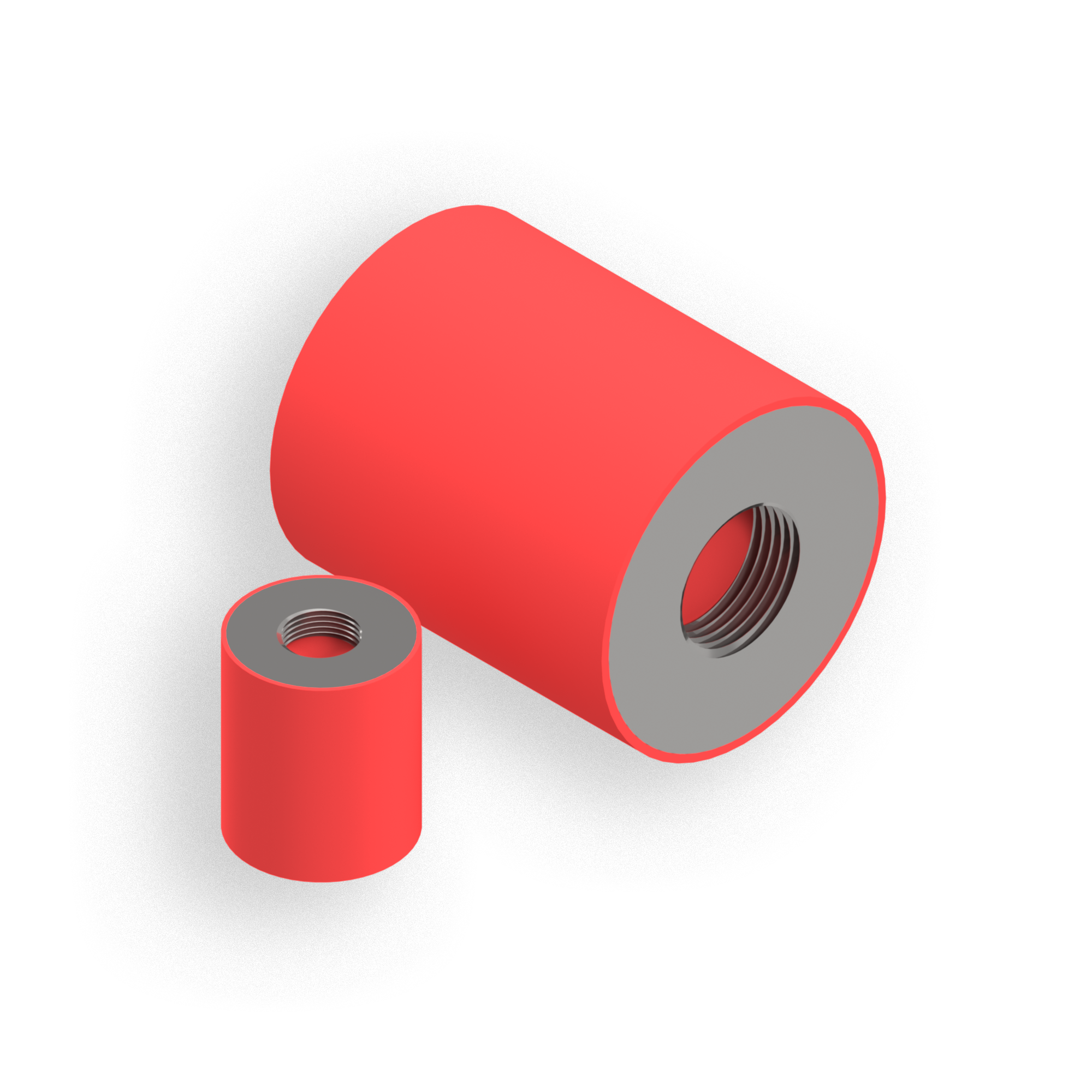
Type B
Rubber-metal buffers, also known as silent blocks, are used as vibration dampers due to their elastic properties. Components are elastically bonded, absorb impacts, transmission of structure-borne noise is reduced, and they protect against damage.
The operating range are in shock absorption, noise reduction in aggregates, machines, engines, compressors, pumps, and vehicles, and for the use of end-stop buffers.
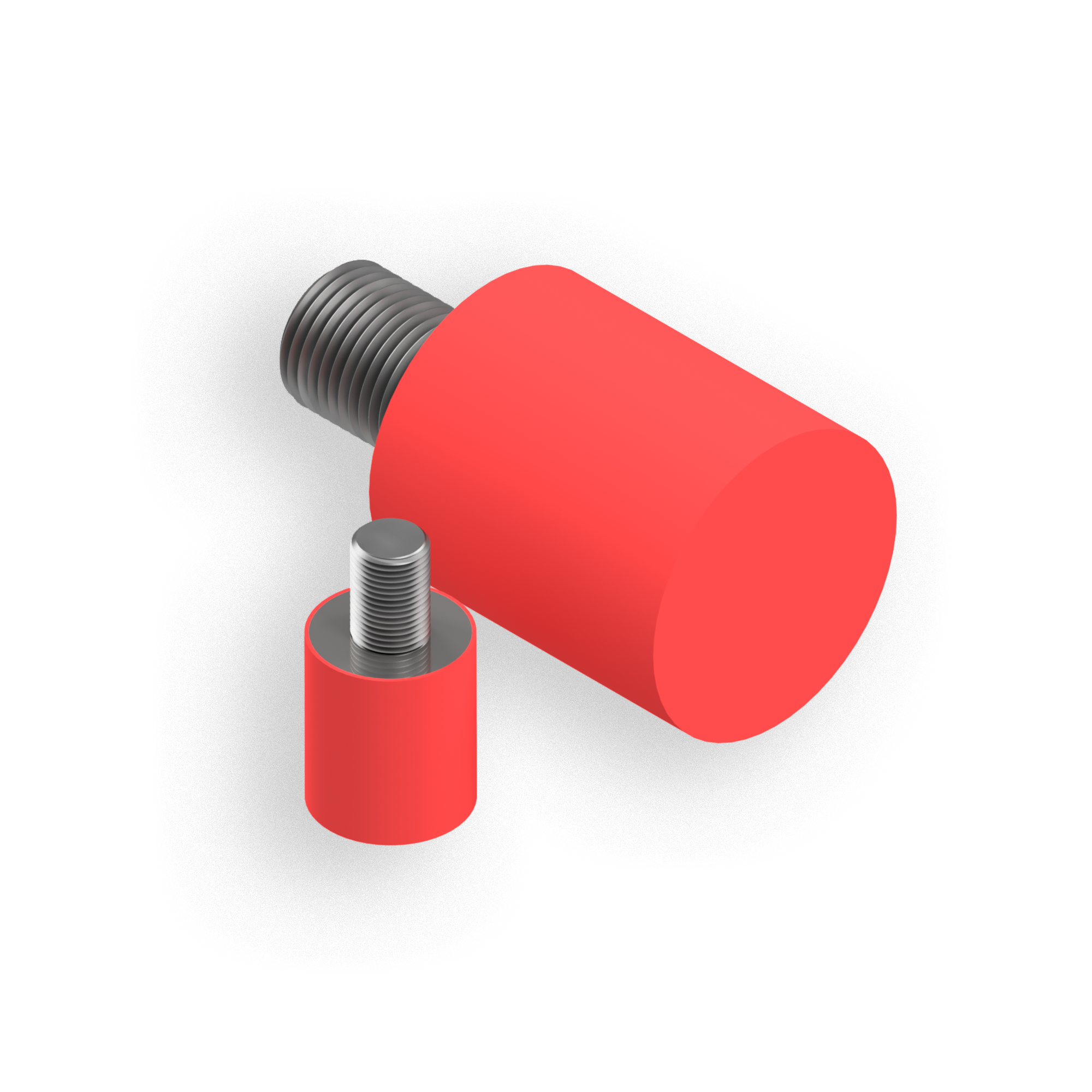
Type C
Rubber-metal buffers, also known as silent blocks, are used as vibration dampers due to their elastic properties. Components are elastically bonded, absorb impacts, transmission of structure-borne noise is reduced, and they protect against damage.
Type D
Rubber-metal buffers, also known as silent blocks, are used as vibration dampers due to their elastic properties. Components are elastically bonded, absorb impacts, transmission of structure-borne noise is reduced, and they protect against damage.
Technology - General sealing topics, special constructions
Head of Engineering